
Running a restaurant means every marketing dollar have to count. One of the biggest questions owners face is: “Should I put my budget into Local SEO or Ads?” Both strategies can bring in new customers, but they work in very different ways.
Local SEO for restaurants builds long-term visibility by helping your restaurant show up in Google Maps, local search results, and “near me” searches. Ads for restaurant promotions, on the other hand, can deliver instant traffic through Google, Facebook, and Instagram.
But which option actually gives restaurants a better return on investment (ROI)? In this blog, we’ll compare Local SEO and Ads side by side — looking at costs, timelines, and results — so you can make the smartest choice for your restaurant’s growth.
Why ROI is the #1 Question for Restaurant Marketing
For restaurant owners, marketing isn’t just about visibility — it’s about profitability. Unlike other industries with bigger budgets and wider margins, restaurants operate on tight profit margins. That means every dollar spent on marketing has to directly contribute to bringing in new customers and keeping them coming back.
On top of that, competition is fierce. In most cities, diners have dozens (if not hundreds) of options within a few miles. If your restaurant isn’t showing up when people search “restaurants near me” or promoting the right offers at the right time, you risk losing those customers to a competitor
Local SEO in a Nutshell
Local SEO for restaurants is about the process of improving your online presence so your restaurant appears when nearby customers search for places to eat.
It usually includes optimizing your Google Business Profile, building citations, improving your website content, and collecting strong reviews.
Unlike paid ads, Local SEO for restaurants keeps working over time. Once your visibility improves, the traffic you earn is often more consistent and more cost-effective.
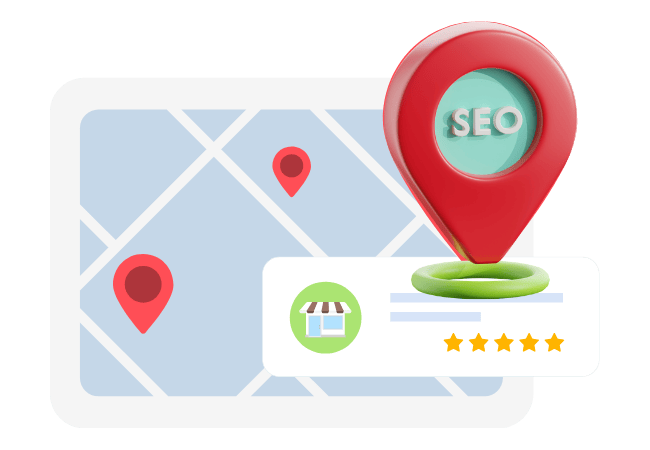
What Local SEO for Restaurants Involves
- Google Business Profile optimization → keeping your hours, photos, and menu updated.
- Keyword targeting → ranking for searches like “best sushi restaurant near me” or “pizza in [city].”
- Customer reviews → generating and managing 5-star reviews that boost rankings and trust.
- Local listings & directories → ensuring accuracy on Yelp, TripAdvisor, OpenTable, and more.
- On-page optimization → using local keywords on your website to match search intent.
- Review responses → responding to both the negative and positive reviews
Why Local SEO for Restaurants Works
- Sustainable long-term growth → visibility builds over time without higher ongoing spend.
- Higher trust factor → diners tend to trust organic results and authentic reviews more than ads.
- Lower cost per customer → compared to ads, Local SEO delivers customers at a fraction of the long-term cost.
- Captures “ready-to-eat” intent → people searching “restaurants near me” are often ready to dine in or order right away.
Local SEO takes time to build momentum, but once your restaurant ranks, the results are consistent, cost-effective, and scalable.
Ads in a Nutshell
Ads for restaurant promotions are paid campaigns that help your business appear in front of people quickly.
These can run on Google, Facebook, Instagram, and other platforms where you can target diners by location, interests, timing, and behavior.
Unlike Local SEO, which builds momentum slowly, ads for restaurant marketing operate on a pay-to-play model.
The biggest advantage is speed. The main limitation is that when the budget stops, the traffic usually stops too.
What Ads for Restaurant Growth Include
- Google Ads → Appear in “restaurants near me” searches and Google Maps with location targeting.
- Facebook & Instagram Ads → Showcase your menu, events, and promotions with visuals that catch attention.
- Seasonal & event-based campaigns → Perfect for holidays, grand openings, happy hours, and special offers.
- Retargeting ads → Re-engage people who already visited your site or interacted with your content.
Why Ads for Restaurant Marketing Work
- Fast results → traffic and orders can start almost immediately.
- Targeted reach → focus on people in a specific radius, demographic, or interest group.
- Scalable campaigns → increase or decrease your budget based on performance.
- Boost Restaurant Marketing ROI → every dollar spent can be tracked, so you know exactly what works.
- Flexible promotions → run time-sensitive offers without waiting for SEO rankings to catch up.
The main limitation is that ads stop working the moment you stop funding them. That’s why the best strategy combines advertising with Local SEO — SEO ensures sustainable growth, while ads for restaurant growth maximize restaurant marketing ROI by driving immediate results.
Local SEO for Restaurants vs Ads: ROI Breakdown
When it comes to deciding between Local SEO for restaurants and paid ads, the real question is: which one gives you the best restaurant marketing ROI? Both strategies can bring in customers, but their strengths shine differently depending on your goals and budget.
Cost Considerations
Local SEO for restaurants typically requires an upfront investment in optimizing your Google Business Profile, building citations, and creating location-specific content. The payoff is compounding growth — once you start ranking, customers can find you without ongoing ad spend.
On the other hand, ads for restaurant visibility are budget-based. You pay for clicks and impressions, and the results stop the moment you stop funding your campaigns. While predictable, they require constant reinvestment to sustain results.
Quick Takeaways on Cost:
- Local SEO for restaurants → upfront work, long-term payoff.
- Ads for restaurant growth → ongoing spend, immediate visibility.
- The strongest restaurant marketing ROI often comes from blending both.
Short-Term ROI (Ads Usually Win)
If you need fast results, ads for restaurant marketing usually take the lead. Platforms like Google Ads and Facebook/Instagram Ads can put your offers in front of hungry locals within hours, making them ideal for driving short-term sales.
Best Uses for Ads:
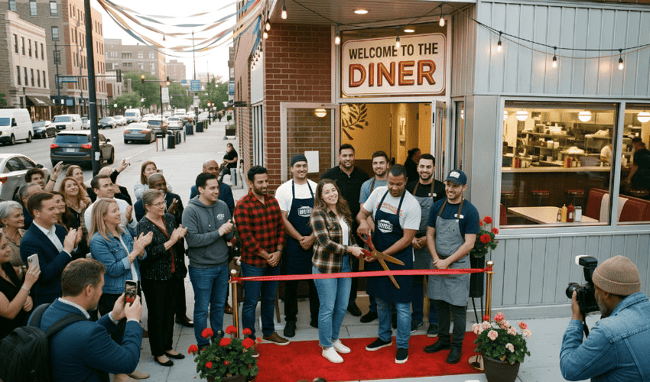
- Grand openings → pack the house on day one.
- Special events → live music, themed nights, or chef’s specials.
- Holiday promotions → Valentine’s Day, Christmas, or Mother’s Day menus.
- Flash sales → limited-time discounts or happy hour promos.
For immediate traffic, ads deliver fast ROI — but only while the budget flows.
Long-Term ROI (Local SEO Usually Wins)
When it comes to sustainability, Local SEO for restaurants almost always provides the stronger ROI. Ranking in Google Maps and local search means your restaurant shows up every time someone searches “restaurants near me” — without paying per click.
Local SEO for restaurants is usually the better choice when your goal is to build a steady stream of customers over time. It works best when you want ongoing visibility without relying on constant ad spend.
Best Uses for Local SEO:
- Building credibility with 5-star reviews.
- Capturing everyday searches from hungry locals.
- Reducing customer acquisition costs.
- Ensuring long-term visibility in your area.
In the long run, Local SEO for restaurants compounds value, making it the more cost-effective growth engine compared to paid ads.
When Restaurants Should Use Local SEO, Ads, or Both
Choosing between Local SEO for restaurants and paid advertising doesn’t have to be an either/or decision. The truth is that both approaches play important but different roles in a restaurant’s marketing strategy. The smartest restaurants use them together to maximize restaurant marketing ROI.
A smart restaurant strategy often looks like this:
-
Use Local SEO for restaurants to build the foundation.
-
Use ads for restaurant promotions to support short-term goals.
-
Reinvest the best-performing campaigns into long-term visibility.
Local SEO = The Foundation for Ongoing Discovery
If you want customers to consistently find you in Google Maps and search results, Local SEO for restaurants is the long-term foundation. It ensures your business shows up whenever locals type “restaurants near me” or search for your cuisine.
When to prioritize Local SEO:


Once established, SEO works 24/7 — even when your ad budget is paused.
Ads = The Accelerator for Promotions and Quick Boosts
While SEO builds steady growth, ads for restaurant promotions give you the ability to generate buzz fast. Paid ads on Google, Facebook, and Instagram can get your name in front of thousands of hungry locals instantly, making them perfect for time-sensitive campaigns.
When to prioritize ads:


Ads let you control the message, timing, and audience — giving you a reliable way to fill tables when you need them most.
Best ROI = A Combined Strategy
For most restaurants, the highest restaurant marketing ROI comes from using Local SEO and ads together:
- SEO builds your reputation and ensures you’re discoverable in searches.
- Ads amplify visibility during key promotions or slower periods.
- The combined effect = sustainable growth + immediate impact.
By integrating both, you’re not just renting attention with ads — you’re building long-term equity with Local SEO for restaurants, while still having the flexibility to scale quickly with ads for restaurant promotions.
Pro Tip: Link this section to your service page or case study to show real-world results and help readers take the next step.
Final Verdict: Restaurant Local SEO & Ads FAQ's

Q: When should a restaurant invest in Local SEO?
While basic setup, like claiming your Google Business Profile, should happen before you launch, a dedicated investment in Local SEO is critical when you are ready to scale. It becomes a top priority when you want a long-term, cost-effective alternative to expensive paid ads, or when you need to capture the 80%+ of diners who use their smartphones to search for "food near me" every single day.
Q: When do ads for restaurant promotions make more sense than Local SEO?
Ads are often the better choice when you need fast results, such as a grand opening, slow nights you want to fill, limited-time offers, or seasonal events. They let you reach people in specific locations and time windows immediately, even if your Local SEO is still developing.
Q: How long does Local SEO for restaurants take compared to ads?
Local SEO for restaurants typically takes a few months to start showing consistent results as rankings, reviews, and local visibility improve. Ads for restaurant campaigns can start driving traffic as soon as your campaigns go live, but that speed comes with ongoing media costs.
Q: Can restaurants use Local SEO and ads together?
Yes, many restaurants get the best results by using Local SEO as the foundation and running ads to support key promotions. This way, Local SEO for restaurants builds long-term discovery while ads provide short-term boosts for specific offers, new locations, or important dates.
Q: How do I know if Local SEO or ads are working better for my restaurant?
Track both online metrics (impressions, clicks, calls, website visits, direction requests) and real-world outcomes like reservations, online orders, and walk-in traffic. Over time, compare cost per customer from ads with the steady, low-cost traffic from Local SEO so you can shift more budget into the channels that consistently drive profitable visits.
Next Steps: Build Your Best ROI Marketing Plan
At the end of the day, the smartest growth comes from knowing how to balance Local SEO for restaurants with strategic paid campaigns. SEO builds your long-term visibility, while ads for restaurant promotions give you the short-term boosts you need to fill tables fast.
Our team specializes in blending both strategies to maximize restaurant marketing ROI. We’ve helped restaurants rank higher on Google, capture local searches, and run ads that turn clicks into loyal customers — all while keeping marketing budgets efficient.