
Your dining room is full. The kitchen is slammed. Orders keep coming in. On the surface, everything looks like a successful restaurant. Then you review your numbers and ask the question too many restaurant owners face:
"If we're so busy, why aren't we making money?"
The answer often isn't a lack of customers—it's unprofitable restaurant promotions.
Why Some Restaurant Promotions Fail
.webp?width=850&height=500&name=restaurant%20promotion%20fail%20(1).webp)
Many restaurant owners mistake higher sales volume for higher profits. In reality, the wrong promotion can increase traffic while reducing your margins.
Deep discounts, poorly structured deals, and offers that attract one-time bargain hunters may boost short-term sales but leave your restaurant with less profit.
A successful restaurant promotion should generate more than foot traffic. It should increase profit, improve average ticket size, encourage repeat visits, or attract your ideal customers. If it only creates more work without improving your bottom line, it's a liability—not a growth strategy.
What You'll Learn
In this guide, you'll discover the restaurant promotions you should avoid, why they hurt profitability, and smarter promotional strategies that increase revenue while protecting your margins.
Whether you operate a full-service restaurant, seafood restaurant, casual dining concept, or local eatery, these insights will help you run promotions that grow your business—not just your customer count.
The 5 Toxic Promos to Stop Running Immediately
Not all restaurant promotions are created equal. While some offers can increase revenue and build customer loyalty, others quietly drain profits, slow operations, and attract guests who rarely return at full price.
The following five promotions are among the most common—and the most costly. If you're currently running any of them, it may be time to rethink your strategy and replace them with promotions that drive profitable, long-term growth.
1. Deep-Discount Voucher Deals (50% Off or More)
Why These Promotions Fail
Offering a 50% off restaurant deal through a voucher or coupon marketplace may increase traffic, but it can significantly reduce your profit on every guest.
Once you've discounted your menu price and paid the platform's commission, you're often left with only a small portion of the original sale while still covering 100% of your food costs, labor, rent, and operating expenses.
The Customer Quality Problem
These promotions often attract customers looking for the biggest discount rather than a restaurant they'll visit regularly. They're less likely to order profitable add-ons, purchase alcoholic beverages, or return at full price.
A Better Alternative
Create value through meal bundles, loyalty rewards, limited-time specials, or combo upgrades instead of heavily discounting your menu.
2. Unlimited or Bottomless Promotions
Why Unlimited Offers Backfire
Unlimited appetizers, endless seafood, or bottomless drinks can sound like an irresistible offer—but they often become an operational nightmare.
When customers know there's no limit, their focus shifts from enjoying the experience to getting the maximum value possible.
The Operational Impact
Instead of turning tables every 45 to 60 minutes, guests may stay for two hours or longer. During peak hours, slower table turnover means fewer guests served, longer wait times, and lost revenue.
These promotions also increase food costs, disrupt kitchen pacing, and put additional pressure on servers.
A Better Alternative
Offer fixed portions, premium upgrades, or limited-time tasting menus that provide value without encouraging unlimited consumption.
3. Free Food Without a Minimum Purchase
Why It Hurts Your Margins
Giving away free food may generate attention, but without spending requirements, it can quickly become an expensive promotion.
Guests may order only the complimentary item and a drink, resulting in extremely low check averages while occupying valuable tables.
The Revenue Problem
Every free item increases food costs without guaranteeing additional sales. During busy meal periods, these low-value transactions can prevent higher-spending customers from being seated.
A Better Alternative
Require a qualifying purchase, such as "Free Appetizer with the Purchase of Two Entrées" or a minimum spend amount before the promotion applies.
4. Permanent Discounts That Never End
Why Daily Discounts Lose Their Value
A promotion is supposed to create excitement and urgency. When the same discount is available every day of the year, customers stop viewing it as a special offer.
Instead, it becomes your new expected price.
The Long-Term Brand Impact
Always-on discounts train customers to wait for lower prices and reduce the perceived value of your menu. Over time, it becomes increasingly difficult to sell items at full price.
A Better Alternative
Run seasonal promotions, limited-time offers, or exclusive loyalty rewards with clearly defined start and end dates. Learn how restaurant loyalty programs work and how to build one that keeps customers coming back.
5. Unrestricted "Kids Eat Free" Promotions
Why Family Promotions Need Limits
Family promotions can be highly effective when designed strategically. However, unrestricted Kids Eat Free offers can quickly reduce average ticket sizes during your busiest shifts.
Without rules, larger parties may generate significantly less revenue than expected.
The Operational Challenge
These promotions can increase labor demands, slow table turnover, and reduce profitability during dinner service or weekends when your restaurant should be maximizing revenue.
A Better Alternative
Limit the offer to slower weekdays or specific time windows, and require the purchase of an adult entrée for each complimentary kids' meal. This keeps the promotion profitable while still attracting families.
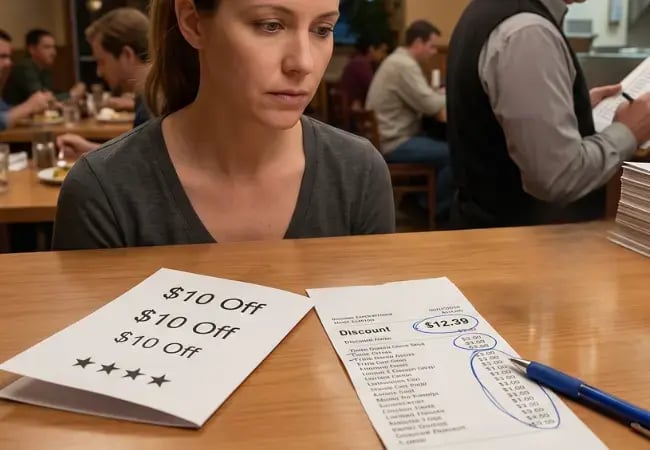
The Hidden Overhead Costs of Bad Restaurant Promotions
The true cost of a bad promotion rarely appears on the coupon itself. While discounts may increase guest count, they often create hidden operational expenses that quietly erode profitability.
Every promotion affects more than just revenue—it influences labor efficiency, food costs, guest experience, and even employee retention.
A restaurant can appear busy all day while earning less profit because each table generates lower-margin sales and requires the same amount of labor to serve.
Before launching any promotion, restaurant owners should ask a simple question:
Will this promotion improve profitability, or will it simply make the restaurant busier?
The most successful promotions increase both guest traffic and operational efficiency.
How Bad Promotions Impact Restaurant Operations
| Metric Impacted | How a Bad Promo Hurts It |
| Prime Cost (COGS + Labor) | Food cost percentages increase while average ticket values shrink, reducing overall profit margins. |
| Table Turn Time | Discount-driven guests often stay longer to maximize the offer, slowing table turnover during busy periods. |
| Staff Morale & Tips | Lower guest checks typically lead to smaller tips, hurting server earnings and increasing staff turnover. |
| Brand Reputation | Long waits, slower service, and overcrowded dining rooms can frustrate loyal regulars and damage the overall guest experience. |
The goal of a restaurant promotion isn't simply to fill seats—it's to fill seats profitably. If an offer increases workload without improving margins, it's costing your restaurant more than it appears.
What to Do Instead: The High-Margin Restaurant Promotion Playbook
Not every restaurant promotion needs to rely on deep discounts to attract customers. In fact, the most profitable promotions focus on increasing guest lifetime value, encouraging repeat visits, and boosting average ticket size rather than reducing menu prices.
Here are four proven promotional strategies that help drive revenue while protecting your profit margins.
Bounce-Back Offers That Encourage Repeat Visits
Instead of discounting a guest's current meal, reward them for coming back.
Offer a bounce-back voucher—such as "$10 Off Your Next Visit"—that is only valid with a minimum purchase and expires within 14 days.
Best Practices:
-
Set a minimum purchase requirement.
-
Add a short expiration date (7–14 days).
-
Limit the offer to one redemption per guest.
This creates urgency, increases visit frequency, and preserves the value of the guest's first transaction.
Spend More, Get More Offers
Encourage guests to increase their check size by tying the reward to a minimum spend. Offers such as “Spend $50, Get $10 Off Your Next Visit” or “Spend $75 and Receive a Free Appetizer” increase the value of each transaction while giving customers a clear reason to spend more. The key is to set the qualifying amount high enough to protect your margins while making the reward feel meaningful.
Bundle High-Margin Menu Items
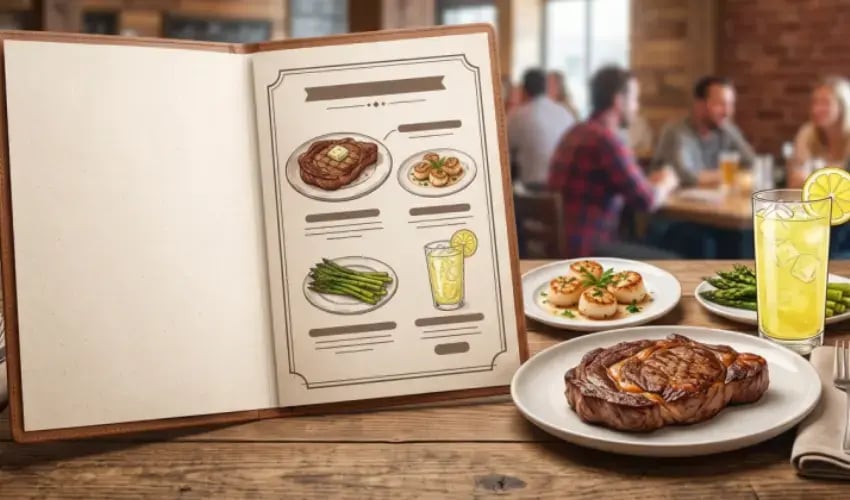
Rather than discounting individual dishes, create meal bundles that combine popular items with products that have strong profit margins.
For example, pairing a burger with a craft beer, signature cocktail, or specialty side increases perceived value while raising the average check. Well-designed bundles help guests spend more without feeling like they're paying more.
Off-Peak Promotions
Drive traffic during slower hours instead of discounting during your busiest periods. Promotions such as “50% Off Appetizers from 3–5 PM”, “Happy Hour Monday–Thursday”, or “Weekday Lunch Special” can help fill slower periods without sacrificing revenue when your dining room is already busy. By shifting promotional activity to times when you have available capacity, you can increase sales and table utilization without creating the operational pressure and slower turnover that can come with peak-hour discounts.
Use Limited-Time Offers to Create Urgency
Scarcity is often more powerful than discounts.
Introduce seasonal dishes, chef specials, or exclusive menu items that are available for a limited time. Limited-Time Offers (LTOs) give customers a reason to visit now instead of waiting for a sale, while keeping your regular menu pricing intact.
Limited-time offers work even better when they're supported by the right social media strategy. Learn how to promote limited-time offers that sell out and turn urgency into real restaurant traffic.
Reward Loyalty Instead of Discounting Every Visit
A loyalty program should encourage long-term relationships—not constant price reductions.
Instead of offering flat discounts, let guests earn points toward rewards such as:

Complimentary Tasting Samples

Birthday Rewards

VIP or Chef's Table Experiences

Early Access to New Menu Items
These value-added incentives strengthen customer loyalty while protecting your restaurant's margins.
Focus on Profitable Growth
The best restaurant promotions don't simply increase traffic—they increase profitable traffic. By rewarding repeat guests, building value through bundles, creating urgency with limited-time offers, and investing in loyalty programs, you can grow sales without sacrificing the profitability that keeps your restaurant successful.
Conclusion: Stop Chasing Busy—Start Building Profitable Promotions
A busy restaurant doesn't always mean a profitable restaurant. The best promotions aren't the ones that generate the longest lines—they're the ones that increase average ticket size, encourage repeat visits, and protect your profit margins.
Take a fresh look at your current promotional calendar and ask these questions:
-
Does this promotion protect my food and labor costs?
-
Does it encourage guests to spend more?
-
Will it bring customers back?
-
Does it strengthen my brand instead of lowering its perceived value?
If the answer is no, it's time to rethink or replace that promotion.