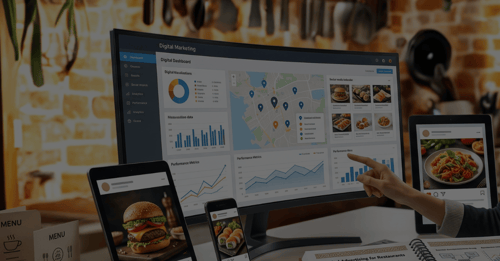

Restaurant Marketing Strategy That Works: Build a Winning Plan
A $12 drive-thru combo and a $300 Michelin-star tasting menu solve the same basic human need—hunger—but they operate in completely different psychological worlds.
Quick-service restaurants win on urgency, convenience, and impulse. Fine dining wins on emotion, status, and memory.
The biggest mistake in restaurant marketing is treating food as the product. It’s not. The real product is the decision-making mindset of the customer. And that mindset changes completely depending on the format.
What works for one doesn’t just fail in the other—it can actively damage the brand.
Quick-Service Restaurants (QSR): The Game of Volume and Velocity
QSR marketing is built for one reality: people decide fast.
When hunger hits, customers don’t evaluate, they react. So the goal isn’t persuasion, it’s availability and speed of conversion.
QSR wins by becoming the easiest answer at the moment.
Hyper-Local Reach at the Moment of Hunger
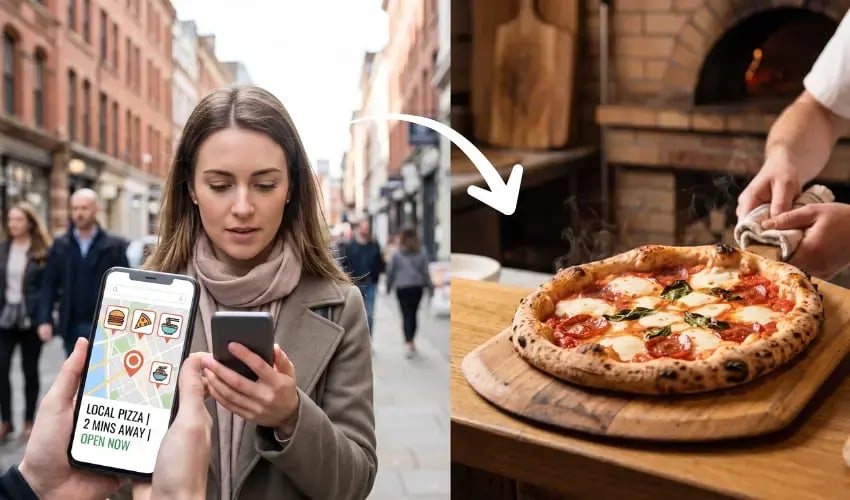
The strongest QSR strategy is proximity-based visibility.
Instead of broad awareness, the focus is on catching customers within a tight radius when intent is already high—especially during lunch and dinner peaks.
The messaging is simple, direct, and action-driven:
-
“Get $2 off your order now.”
-
“Free fries with any combo today.”
There is no storytelling barrier. Just immediate reward for immediate action.
This is marketing designed for impulse, not consideration.
Loyalty as a Habit Engine
In QSR, the real profit is not in the first purchase, it’s in the tenth.
That’s why loyalty systems are not just rewards programs; they are habit-forming loops.
Every purchase should feel like progress. Every return visit should feel automatic, not intentional.
Apps strengthen this by removing friction entirely—order, pay, earn, repeat—inside a single ecosystem.
Social Media as Craving Amplification
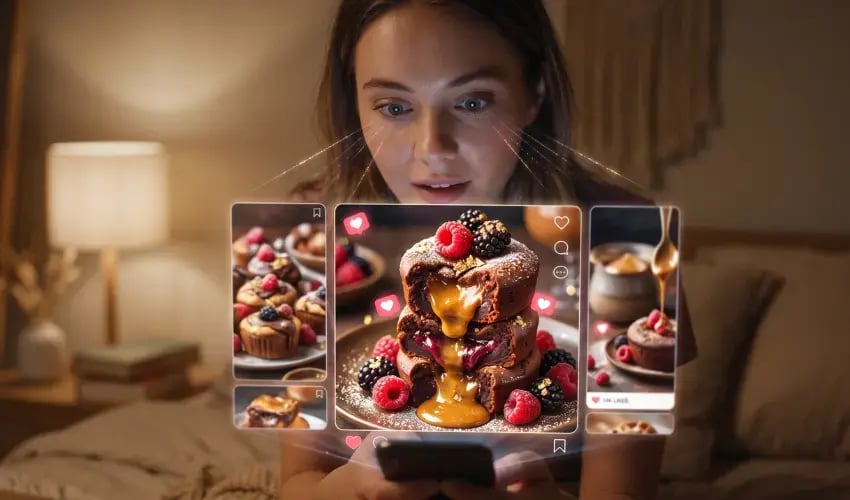
QSR brands rely on appetite triggers.
Short-form content is used to create instant craving: sizzling visuals, melting textures, fast cuts, and limited-time excitement.
But the real driver is not content, it’s scarcity.
When menu items feel temporary, attention turns into urgency. Customers don’t want to miss out, so they act quickly.
This is where QSR wins: speed from attention to purchase.
Fine Dining: The Art of Exclusivity and Experience
Fine dining marketing is centered around exclusivity, prestige, and emotional experience. It is not just about food, but about creating a sense of status and a lasting memory.
The goal is to make every guest feel like they are part of something rare and carefully crafted.
Storytelling Over Selling
Fine dining marketing starts before the guest ever arrives at the table. It begins with the chef’s philosophy, the sourcing of ingredients, and the intention behind each dish.
The focus is not “what we serve,” but “why it exists.”
Everything is intentional, cinematic, and restrained. Nothing feels rushed or mass-produced. Because in fine dining, speed destroys value.
Personalization as Silent Luxury
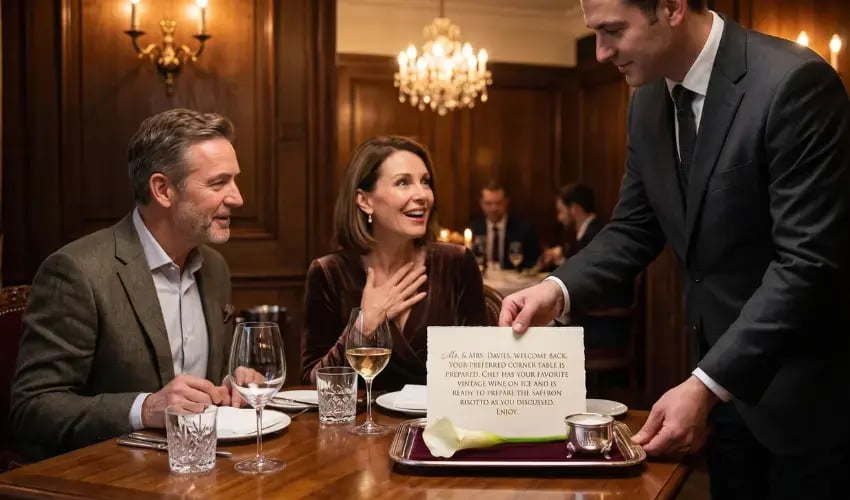
Luxury restaurants don’t need loud marketing. They need memory. The strongest fine dining brands behave less like businesses and more like hosts who remember everything.
A guest’s wine preference. A birthday. A table preference. A past experience.
Communication is subtle—often simple, direct, and personal rather than promotional. The message is clear without saying it: you are known here. That recognition is the real product.
Scarcity as Positioning
Fine dining does not compete on availability—it competes on desirability. Limited seating, reservation-only access, and curated partnerships all serve one purpose: maintain perceived rarity.
When something is hard to access, it becomes more valuable—even before the experience begins. Exclusivity is not a tactic. It is the business model.
Head-to-Head Comparison: QSR vs. Fine Dining
Quick-Service Restaurants (QSR) and Fine Dining operate on completely different marketing philosophies.
If QSR marketing is a megaphone—loud, fast, and everywhere—then Fine Dining marketing is a whispered invitation, focused on exclusivity and subtlety.
| Marketing Comparison |
||
| Marketing Pillar | Quick-Service Restaurants (QSR) | Fine Dining |
| Primary Goal | High transaction volume and speed | Guest lifetime value and high check averages |
| Discounting | Frequent offers (coupons, BOGOs, app deals) | Rare or minimal, focus on added value, not price reduction |
| Social Media Tone | Playful, trendy, fast-paced, humorous | Sophisticated, artistic, restrained, elegant |
| Key Metric | Customer acquisition cost and order frequency | Average check size and repeat visits |
The "Sweet Spot": What They Can Learn From Each Other
Even though Quick-Service Restaurants (QSR) and Fine Dining operate in very different worlds, both can improve by borrowing strategies from each other.
The strongest restaurant brands today are the ones that balance efficiency with experience.
Conclusion
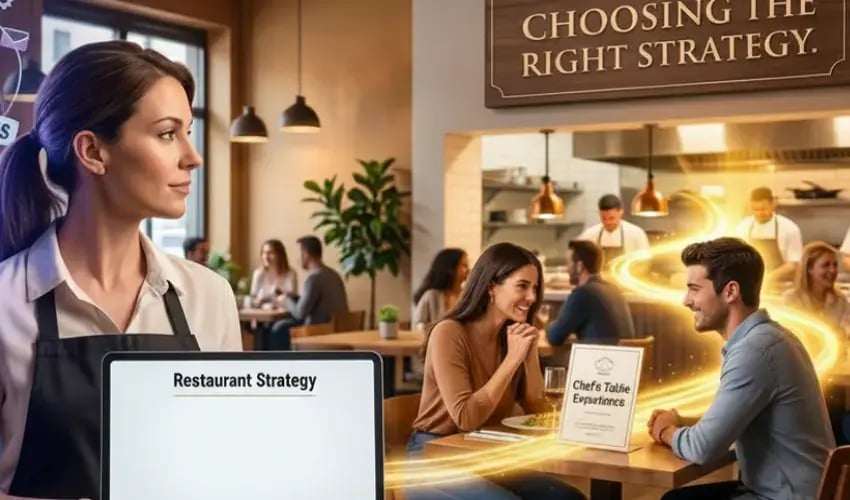
Success in restaurant marketing is not about using every available tool or trend. It is about choosing the right strategy that aligns with your audience’s mindset and expectations.
Each restaurant category—whether QSR or Fine Dining—requires a different approach to communication, experience, and customer engagement. The real impact comes from clarity, consistency, and focus.
When you understand how your customers think, you can build marketing that feels natural, relevant, and effective.
Call to Action
Which strategy are you planning to implement in your restaurant this quarter?
Drop your thoughts in the comments, or download our free Restaurant Marketing Audit Checklist to evaluate your current strategy and identify areas for improvement.

As a Digital Marketing Manager at Best POS Restaurant Marketing Agency, Abdullah crafts strategies that turn clicks into culinary success. Abdullah's expertise fuels our commitment to elevating your restaurant's online presence.