
Quick Answer
The best restaurant marketing strategies do more than generate likes, impressions, or website traffic. They create measurable customer actions that lead to more orders, more visits, higher average checks, and stronger repeat business.
For most restaurants, the biggest opportunities fall into five areas: local visibility, customer retention, social and community marketing, revenue optimization, and marketing measurement.
Local SEO and Google Business Profile optimization help nearby customers discover your restaurant. SMS, loyalty, and email marketing can encourage existing guests to return. Paid advertising and influencer marketing can create new demand, while first party online ordering can help restaurants build direct customer relationships.
Below are 25 restaurant marketing ideas organized into five operational pillars. Each strategy includes a practical way to implement it, its connection to revenue, and an impact and effort assessment.
Editorial note: Impact and effort ratings are Best POS Restaurant Marketing Agency's assessments based on potential business impact, implementation requirements, and measurability. Actual results vary by restaurant concept, market, competition, customer behavior, budget, and execution.
Pillar 1: Get Discovered Through Local Visibility and SEO
1. Optimize Your Google Business Profile
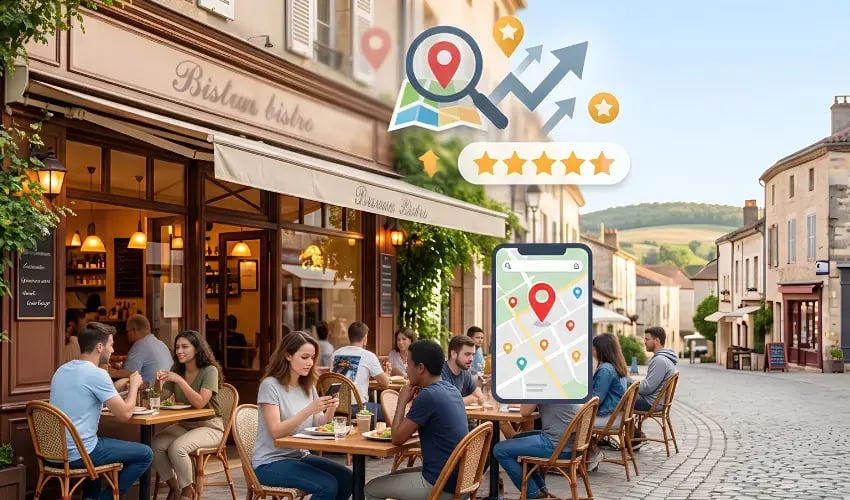
Your Google Business Profile is one of the most important digital assets for local SEO for restaurants, especially for restaurants that depend on nearby customers. When someone searches for a restaurant, dish, or dining option nearby, the profile can help that customer discover your business and take the next step.
Google says local results are primarily influenced by relevance, distance, and prominence. Google also recommends keeping business information complete and accurate, responding to reviews, and adding photos and videos. (Google Business Profile Help)
Make sure your profile includes accurate hours, category information, contact details, website information, menu information where applicable, and current photos.
Operational Step
Create a recurring management process for your profile. Review business information regularly and add fresh photos of dishes, promotions, the restaurant environment, or other relevant customer experiences.
Revenue Connection
An accurate and well maintained profile can help qualified local searchers find the restaurant and take actions such as calling, requesting directions, visiting the website, or choosing the restaurant.
Impact: High | Effort: Low
2. Add Restaurant Structured Data to Your Website
Structured data helps search engines understand the information on your website. For restaurants, relevant information can include business details, address, hours, menu information, and other details supported by applicable structured data.
Structured data does not guarantee better rankings or enhanced search appearances. Google specifically notes that structured data helps its systems understand page content and can make pages eligible for certain search features, but eligibility does not guarantee that a feature will appear. (Google Search Central)
Operational Step
Implement appropriate Restaurant and Local Business structured data on relevant pages, then keep that information consistent with the actual restaurant.
Revenue Connection
Better machine readable information can help search engines interpret your business details and present accurate information when customers are deciding where to eat.
Impact: Medium | Effort: Low
3. Run Geo Targeted Local Advertising
Restaurants usually do not need to advertise to an entire city.
The right audience is often concentrated within a practical travel distance of the restaurant. A suburban restaurant may have a wider effective area than a dense urban restaurant, while a destination restaurant may attract customers from much farther away.
Avoid treating a radius as a universal formula. Test geographic targeting based on your actual customer behavior, delivery area, location, and campaign objective.
Operational Step
Build restaurant digital advertising campaigns on Google or Meta around a clearly defined service area. Test different locations, audiences, offers, and advertising schedules based on performance.
You can also schedule campaigns around the times customers are most likely to make dining decisions.
Revenue Connection
Local targeting helps place your restaurant in front of people who can realistically become customers rather than paying to reach people who are unlikely to visit.
Impact: High | Effort: Medium
4. Shift Customers Toward First Party Online Ordering
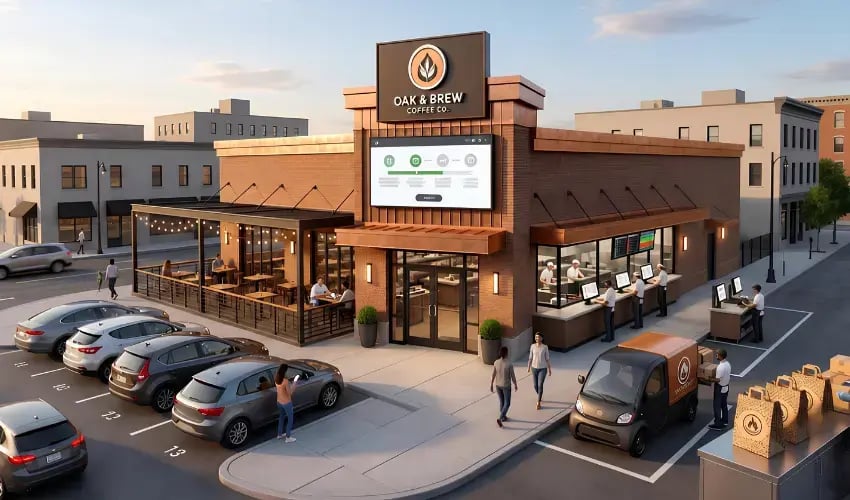
Third party delivery marketplaces can help restaurants reach new customers, but depending entirely on outside platforms can limit the restaurant's direct relationship with those customers.
A first party ordering channel gives the restaurant greater control over its ordering experience and creates opportunities to collect customer information with appropriate consent.
Operational Step
Promote your direct ordering channel through your website, receipts, packaging, social media, email, SMS, and in restaurant materials.
Loyalty rewards or other exclusive benefits can also give customers a reason to choose the direct ordering channel.
Revenue Connection
A stronger direct ordering channel can reduce reliance on third party marketplaces while creating more opportunities for repeat ordering and direct customer communication.
Impact: Very High | Effort: Medium
5. Automate Post Dining Review Requests
Reviews provide social proof and can influence how customers evaluate restaurants.
Google recommends responding to reviews and maintaining an active Business Profile. (Google Business Profile Help)
Instead of depending on employees to remember every review request, restaurants can create an automated process for eligible customer interactions.
Operational Step
Send an SMS or email review request after a completed order or another appropriate interaction. Make the process voluntary and authentic. Do not attempt to manipulate reviews or suppress negative feedback.
Revenue Connection
A stronger review presence can support customer trust and help the restaurant compete more effectively when customers compare nearby dining options.
Impact: Very High | Effort: Low
Pillar 2: Bring Customers Back Through Retention
6. Run Automated SMS Win Back Campaigns
Your existing customers can be valuable marketing audiences because they already know your restaurant.
Instead of sending the same promotion to everyone, build campaigns around customer inactivity.
For example, customers who have not ordered for 30 days may need a different message from customers who have been inactive for six months.
Operational Step
Create SMS sequences based on customer activity and use different messages for different periods of inactivity. Keep offers consistent with your margins and customer behavior.
Revenue Connection
Retention can be more efficient than constantly replacing customers with new ones. Harvard Business Review notes that research has found new customer acquisition can cost five to 25 times more than retaining an existing customer, although the actual ratio varies by industry and situation. (Harvard Business Review)
Impact: Very High | Effort: Low
7. Build a Digital Loyalty Program
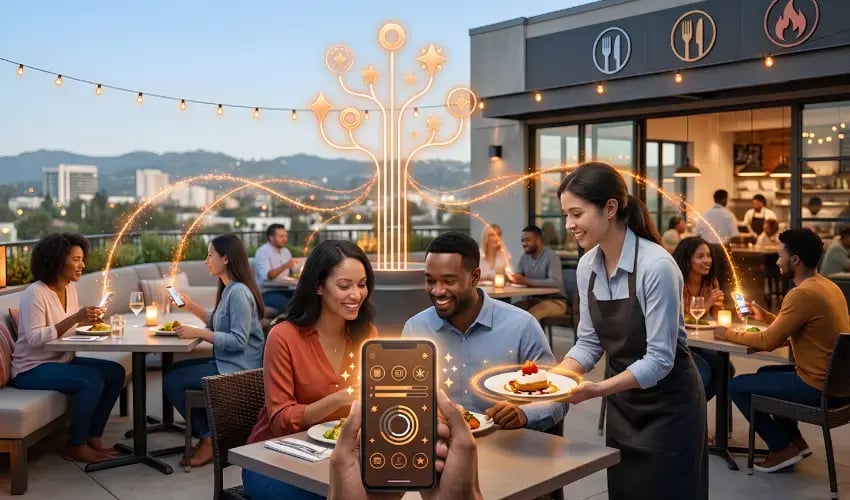
A restaurant loyalty program should be more than a digital version of a paper punch card.
The strongest programs give customers a clear reason to identify themselves, return, and continue engaging with the restaurant.
Depending on the concept, rewards can be based on:
1. Total spending
2. Visit frequency
3. Specific menu categories
4. Customer milestones
5. Membership tiers
Operational Step
Create a mobile friendly loyalty experience with clear rewards, simple rules, and automated communications. Test whether customers understand how they earn and redeem rewards.
Revenue Connection
A loyalty program can encourage repeat behavior while giving restaurants more first party customer information for future marketing.
Impact: High | Effort: Medium
8. Use Package and Receipt Bounce Back Offers
The customer relationship does not have to end when a transaction is complete.
Packaging and receipts can provide a natural place to encourage the next visit or direct order because the customer has just interacted with the restaurant.
Operational Step
Add a trackable QR code or promotional message to receipts and packaging. Give customers a clear reason to return or order directly.
Revenue Connection
Bounce back offers turn completed transactions into opportunities for another purchase rather than treating each order as an isolated event.
Impact: High | Effort: Low
9. Send Segmented Email Campaigns
Email marketing is more useful when customers receive information that is relevant to them.
A customer who regularly purchases catering services does not necessarily need the same message as someone who visits for weekend dinner.
Useful segments can include:
-
Customer type
-
Order history
-
Visit frequency
-
Product preferences
-
Location
-
Catering customers
-
Inactive customers
Operational Step
Create audience segments and establish a consistent email schedule for relevant promotions, events, menu announcements, and customer benefits.
Revenue Connection
Relevant communication can improve engagement and give restaurants another relatively low cost channel for repeat business.
Impact: Medium | Effort: Low
10. Retarget Inactive Customers
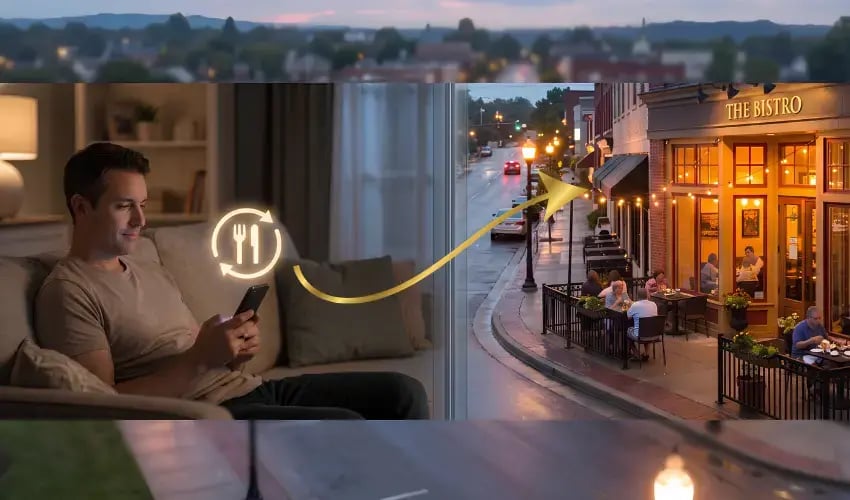
Customers who have already purchased from you understand the brand better than someone who has never interacted with it.
With appropriate consent and platform compliant data practices, eligible customer audiences can be used for re engagement campaigns.
Operational Step
Create dedicated advertising audiences for eligible inactive customers. Test different messages, creative, and offers rather than showing every audience the same advertisement.
Revenue Connection
Retargeting can keep your restaurant visible to people who already know the brand and may need less persuasion than completely new prospects.
Impact: High | Effort: Low
Pillar 3: Generate Attention Through Content, Social Media, and Community
11. Build a Local Micro Influencer Program
A strong restaurant influencer marketing strategy does not always require creators with hundreds of thousands of followers.
Local creators with smaller but engaged audiences can be useful because their followers are more likely to live within the restaurant's practical service area.
A creator with 8,000 relevant local followers may be more useful for a restaurant than a creator with 500,000 followers spread across the country.
Operational Step
Identify local creators with relevant audiences and evaluate their location, engagement quality, content style, audience fit, and previous brand work.
For sponsored campaigns, clearly disclose the relationship and establish content expectations in writing.
Revenue Connection
Local creators can introduce your restaurant to relevant audiences while producing content that may also be reused in other marketing channels when appropriate usage rights are secured.
Impact: High | Effort: Medium
12. Create a Short Form Video Content System
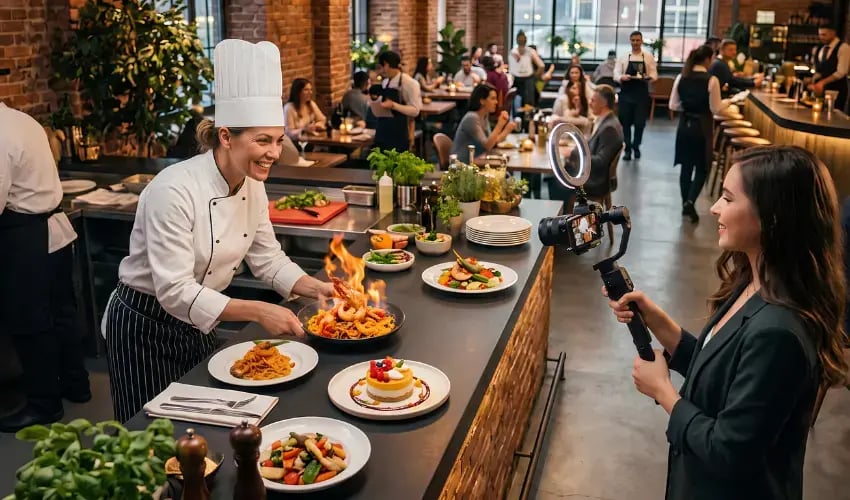
Restaurant social media marketing is naturally visual, making short form video an important format for showcasing food and the dining experience.
Food preparation, signature dishes, customer experiences, restaurant atmosphere, menu launches, and special events can all become useful video content.
The goal should be consistency rather than waiting for every video to look like a production.
Operational Step
Create a simple process for capturing vertical video regularly. Organize the footage so it can be adapted for Instagram, TikTok, YouTube Shorts, and advertising creative.
Revenue Connection
A steady supply of usable video gives your restaurant more opportunities to showcase products, promote offers, and reach potential customers.
Impact: High | Effort: Medium
13. Encourage User Generated Content
Customers already create restaurant content.
The opportunity is to make sharing easy and give customers a reason to participate.
User generated content can include food photos, videos, celebrations, restaurant experiences, or favorite dishes.
Operational Step
Use appropriate signage, table materials, receipts, or packaging to encourage customers to share their experience. Consider incentives when appropriate and clearly disclose promotional relationships where required.
Revenue Connection
Customer generated content can provide social proof and create additional visual material for future marketing.
Impact: Medium | Effort: Low
14. Sponsor Community Events and Fundraisers
Restaurants are part of local communities, and community partnerships can create awareness while strengthening relationships with nearby organizations.
Potential partners include schools, youth sports teams, nonprofit organizations, local businesses, and community groups.
Operational Step
Create trackable fundraising nights or community promotions using unique codes, QR codes, or other methods that allow you to measure the resulting business.
Revenue Connection
Community campaigns can introduce your restaurant to new local audiences while creating opportunities for repeat visits and future partnerships.
Impact: Medium | Effort: Medium
15. Create Collaborative Limited Time Menu Items
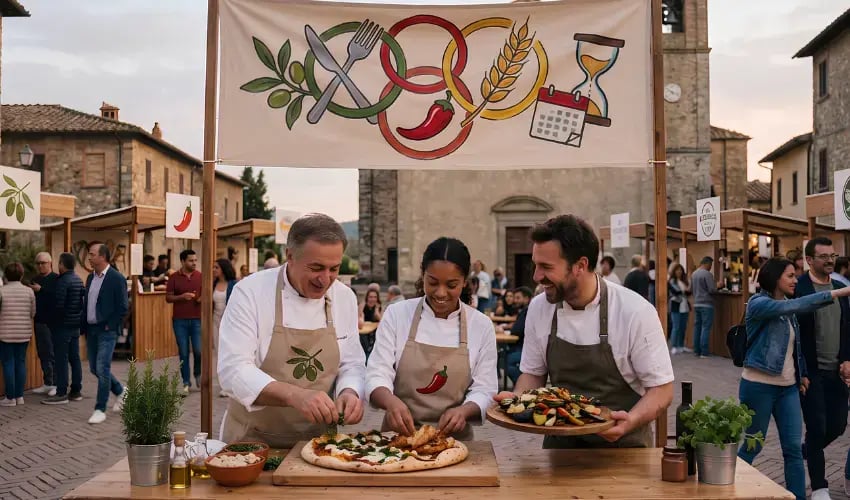
Collaborations can give your restaurant access to another brand's audience while creating something customers have a reason to try.
Potential partners can include local bakeries, coffee shops, food brands, chefs, or complementary businesses.
Operational Step
Create a limited time co branded item and coordinate promotion across both brands' marketing channels.
Revenue Connection
A well planned collaboration can create urgency, generate social content, and introduce the restaurant to a new audience.
Impact: Medium | Effort: Medium
Pillar 4: Increase Revenue Per Customer Through Marketing Driven Operations
16. Use Dynamic POS Upselling
Marketing does not end when a customer walks through the door.
A well designed upselling process can help increase average transaction value by making relevant add -ons easier for staff to recommend.
The key is relevance. Customers should not be pressured to buy something unrelated to their order.
Operational Step
Train front of house employees on natural recommendation language and configure POS prompts for appropriate additions such as beverages, appetizers, premium toppings, desserts, or upgrades.
Revenue Connection
Increasing average transaction value can create incremental revenue without requiring the restaurant to acquire another customer.
Impact: High | Effort: Medium
17. Optimize Slow Dayparts
Not every hour produces the same demand.
Instead of discounting the entire week, identify periods when the restaurant has unused capacity and create campaigns specifically for those periods.
For example, a restaurant that is consistently slow on Tuesday afternoons could build a promotion around that specific period.
Operational Step
Analyze sales by day and hour. Identify underused capacity and promote targeted offers through appropriate channels such as SMS, social media, Google, or email.
Revenue Connection
The objective is to generate additional transactions during periods when the restaurant has available capacity rather than discounting customers who would have visited anyway.
Impact: Medium | Effort: Low
18. Build an Outbound B2B Corporate Catering Program
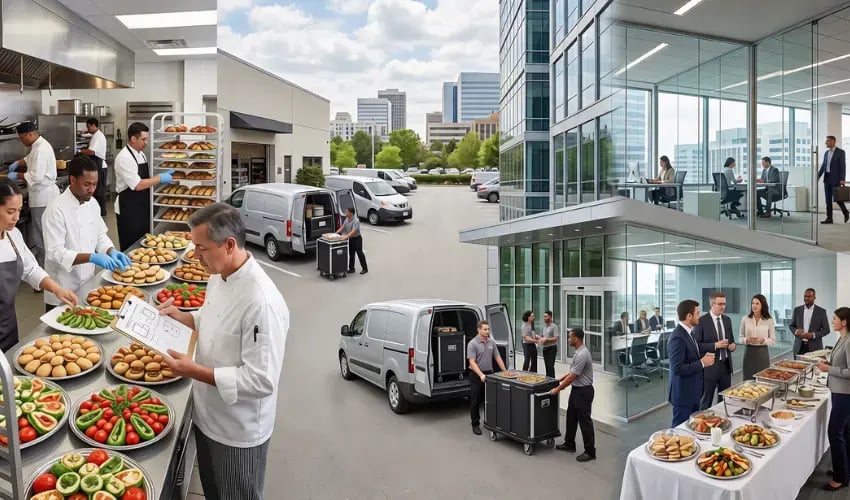
Consumer marketing is not the only path to restaurant growth.
A restaurant with strong catering capabilities can also build relationships with local businesses and organizations.
Potential targets include:
-
Office managers
-
Human resources teams
-
Event planners
-
Medical offices
-
Schools
-
Local organizations
Operational Step
Build a list of organizations in your service area and create a structured outreach process using email, phone outreach, direct mail, catering materials, or other appropriate channels.
Revenue Connection
A recurring corporate customer can generate larger and more predictable transactions than an individual consumer order.
Impact: High | Effort: High
19. Run Seasonal Gift Card Promotions
Gift cards can introduce new customers while generating revenue upfront.
The strongest campaigns usually align with occasions when customers are already thinking about gifting, such as holidays, graduations, birthdays, and other celebrations.
Operational Step
Test offers such as:
Buy a $50 gift card and receive a $10 promotional card.
Track redemption and structure the offer around your margins and customer acquisition goals.
Revenue Connection
Gift card campaigns can generate upfront cash flow while creating opportunities for recipients to become first time customers.
Impact: Medium | Effort: Low
20. Use Strategic Menu Engineering
Your menu is one of your most important revenue tools.
The goal is not simply to promote the dishes that sell the most. Restaurants should also consider item profitability, contribution margin, preparation requirements, and the role each item plays in the menu.
A popular item with weak margins may deserve a different strategy from an item that is both popular and profitable.
Operational Step
Review menu performance regularly. Compare sales volume and contribution margin, then consider whether certain items should be highlighted, repositioned, repriced, adjusted, or removed.
Revenue Connection
Better menu decisions can influence what customers notice and order while helping operators improve product mix and profitability.
Impact: High | Effort: Medium
Pillar 5: Scale and Measure With Technology, Web Strategy, and Analytics
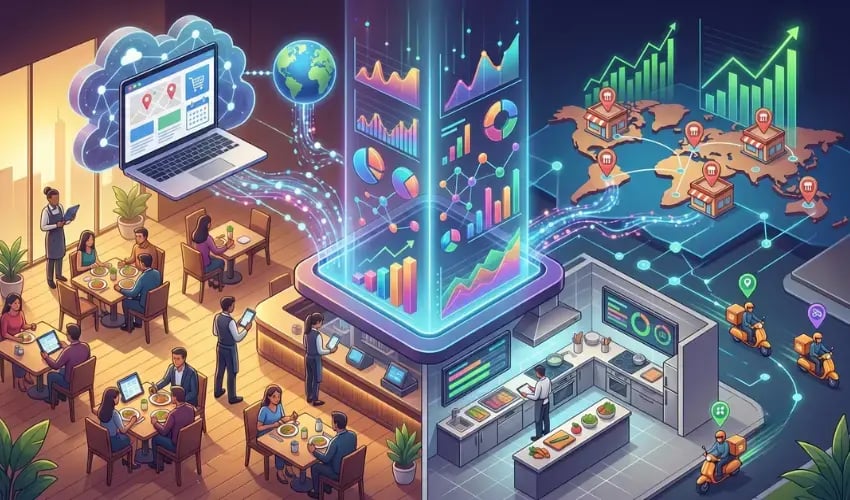
21. Use AI Assisted Review Response Workflows
Restaurants with many locations can receive a large volume of customer reviews.
AI assisted workflows can help draft responses more efficiently, but they should support human oversight rather than replace it.
Operational Step
Use AI to help draft responses to routine reviews. Flag negative, sensitive, or unusual feedback for personal management review.
Avoid repetitive responses and do not use artificial keyword insertion simply to manipulate local search.
Revenue Connection
Consistent review engagement supports reputation management and can help operators identify recurring customer experience problems.
Impact: Medium | Effort: Low
22. Capture Customer Data at Checkout
Every completed transaction can provide an opportunity to build a first party customer database when customers understand what information they are providing and why.
Phone numbers and email addresses can support digital receipts, loyalty programs, order updates, and marketing communication when the appropriate consent has been obtained.
Operational Step
Give customers a simple way to opt into digital receipts, loyalty, or marketing communications during checkout. Keep transactional communication separate from promotional consent where required.
Revenue Connection
A stronger first party database gives restaurants more opportunities to communicate directly with customers instead of depending entirely on paid advertising or third party marketplaces.
Impact: High | Effort: Low
23. Build Seasonal Campaigns in Advance
Last minute marketing creates unnecessary pressure.
Planning major campaigns ahead of time gives the team more opportunity to coordinate creative, offers, landing pages, advertising, email, SMS, social media, and in restaurant materials.
Operational Step
For larger campaigns, begin planning approximately 30 to 60 days in advance, depending on complexity. Create reusable materials for recurring occasions rather than rebuilding every campaign from scratch.
Revenue Connection
Advance planning gives restaurants more time to test offers, coordinate channels, and launch consistently.
Impact: High | Effort: Medium
24. Build Multi Location Local Landing Pages
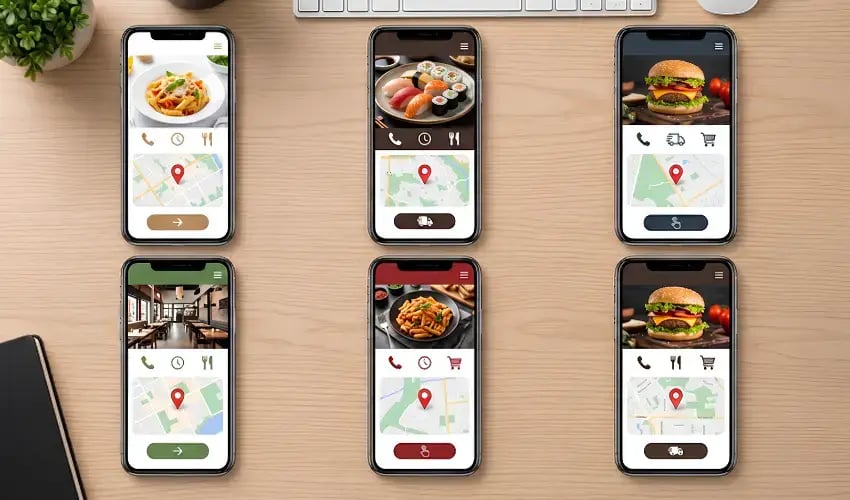
A restaurant group should not expect one homepage to effectively serve every location.
Each location should have a dedicated page that gives customers useful information specific to that restaurant.
Operational Step
Include information such as:
-
Address and contact details
-
Location hours
-
Menu information
-
Map
-
Relevant reviews
-
Nearby neighborhoods or service areas
-
Location specific information
-
Appropriate local business structured data
Do not simply duplicate the same page and replace the city name. Each location page should contain genuinely useful information for customers.
Revenue Connection
Strong location pages can help restaurant groups capture local search demand and direct customers toward the location most relevant to them.
Impact: Very High | Effort: Medium
25. Track Marketing ROI, CAC, and Revenue Attribution
Marketing without measurement makes it difficult to know what is actually working.
Every restaurant should have a practical way to connect campaigns with customer actions and, where possible, revenue.
Useful measurement tools include:
-
Promo codes
-
Unique QR codes
-
UTM parameters
-
Call tracking
-
Online ordering data
-
Loyalty data
-
POS reporting
Operational Step
Review marketing performance regularly using metrics such as:
• Customer Acquisition Cost
• Return on Ad Spend
• Campaign attributed revenue
• Repeat purchase rate
• Average order value
• Conversion rate
• Cost per lead
• Customer lifetime value
Revenue Connection
Better attribution allows restaurants to move budget away from activities that generate attention but little measurable business and toward channels that produce stronger results.
Impact: High | Effort: Medium
Which Restaurant Marketing Ideas Should You Start With?
You do not need to implement all 25 strategies at once.
The right starting point depends on the problem currently limiting your restaurant.
If You Are a New Restaurant
Start by building visibility and making it easy for nearby customers to choose you.
-
Optimize your Google Business Profile
-
Build local SEO visibility
-
Generate legitimate customer reviews
-
Create consistent short form content
-
Run tightly targeted local advertising
-
Establish first party online ordering
The immediate objective is to make sure people searching for restaurants in your area can find you, trust you, and take the next step.
If You Have Customers but Weak Repeat Business
Focus on retention before increasing acquisition spending.
-
Automated SMS win back campaigns
-
Digital loyalty
-
Segmented email marketing
-
Lapsed customer retargeting
-
Package and receipt bounce back offers
Your existing customer database is an asset. The goal is to turn more first time customers into repeat customers.
If You Get Traffic but Average Checks Are Too Low
Focus on getting more value from the customers you already have.
-
Dynamic POS upselling
-
Strategic menu engineering
-
Premium add -ons and upgrades
-
Gift card promotions
-
Slow daypart optimization
Even a modest increase in average transaction value can become meaningful when applied across a large number of monthly transactions.
If You Need More Customers During Slow Periods
Do not automatically discount the entire menu.
Instead, target the periods when the restaurant has available capacity.
-
Slow day-part campaigns
-
SMS offers
-
Community partnerships
-
Limited time menu items
The goal is incremental demand, not unprofitable restaurant promotions that discount customers who would have visited anyway.
If You Want to Grow Corporate Catering
Build a separate business development system.
-
Corporate catering outreach
-
Local office targeting
-
Catering landing pages
-
Trackable offers
-
Email follow up
A catering strategy should be treated as its own acquisition channel rather than simply adding a catering page to the website and waiting for inquiries.
If You Operate Multiple Locations
Prioritize systems that can scale across the restaurant group while preserving local relevance.
-
Individual location pages
-
Google Business Profile management
-
Review generation
-
Centralized campaign planning
-
Cross location performance reporting
The goal is to combine centralized brand control with location specific visibility, customer feedback, promotions, and reporting.
The Bottom Line
Do not start with the question:
"Which marketing trend should we try next?"
Start with the question:
"What is actually limiting our restaurant's growth right now?"
If customers cannot find you, focus on local visibility.
If customers visit once and disappear, focus on retention.
If the restaurant is busy but profitability is weak, examine average check size, menu mix, costs, and operational efficiency.
If too much revenue depends on third party ordering platforms, build a stronger first party ordering channel.
If marketing is generating attention but you cannot tell whether it produces revenue, improve measurement and attribution.
Once the foundation is working, add additional channels gradually. Trying to implement all 25 strategies at once can create more operational complexity than value.
Frequently Asked Questions
What is the most effective marketing strategy for a new restaurant?
For many new restaurants, a strong starting combination is Google Business Profile optimization, local SEO, legitimate review generation, and carefully targeted local advertising. These channels help establish local visibility while the restaurant builds its customer base. First party online ordering and appropriate customer data capture should also be established early so new customers have opportunities to become repeat customers.
How can a restaurant market effectively on a small budget?
Start with activities that do not require a large media budget. Fully optimize the Google Business Profile, maintain accurate information, generate legitimate customer reviews, create useful organic content, build an email or SMS database with appropriate consent, and use targeted offers to encourage repeat visits.
Local partnerships and relevant micro influencer collaborations can also create awareness without requiring a large advertising budget.
How do I get more repeat customers to my restaurant?
Start by identifying and understanding your existing customers, then build a structured retention process. Automated SMS win back campaigns, digital loyalty, segmented email, and post purchase offers can encourage customers to return.
The underlying restaurant experience still matters most. Marketing should reinforce a restaurant customers already have reasons to choose.
How can restaurants increase direct online orders over third party apps?
Make your first party ordering experience easy to use and give customers a clear reason to order directly. Promote the ordering channel through your website, receipts, packaging, social media, email, SMS, and in restaurant materials.
Loyalty benefits, exclusive offers, or other customer incentives can encourage repeat customers to use the direct ordering channel.
How much should a restaurant spend on marketing?
There is no universal marketing budget that works for every restaurant.
The appropriate level depends on revenue, concept, market, competition, growth stage, and business objectives. A new opening may require more investment to establish awareness, while an established restaurant may place greater emphasis on retention and maintaining market share.
Rather than choosing a budget based only on a percentage of revenue, evaluate customer acquisition cost, return on ad spend, incremental revenue, repeat purchase behavior, and overall profitability.
How to Turn Restaurant Marketing Ideas Into a Revenue System
The biggest mistake restaurants can make is treating marketing as a collection of disconnected activities.
Posting on Instagram, running Google Ads, sending an occasional email, and offering a discount can each produce results. The larger opportunity comes from connecting those activities into a system.
A strong restaurant marketing system should:
• Help nearby customers discover the restaurant
• Build trust through accurate information, reviews, and useful content
• Convert customers through compelling offers and an easy ordering or reservation experience
• Capture customer information with appropriate consent
• Bring customers back through loyalty, SMS, email, and personalized communication
• Increase revenue per visit through upselling and menu optimization
• Measure performance so marketing decisions are based on business results
You do not need to implement all 25 strategies immediately.
Start with the one or two areas creating the biggest constraint on growth, measure the results, and build from there.
Scale Your Restaurant Marketing With Best POS
Building a complete restaurant marketing system requires more than posting on social media.
It requires the right combination of local SEO, reputation management, customer retention, online ordering, digital advertising, creative, and marketing analytics.
Best POS helps restaurants build and manage these systems across the customer journey, from local discovery and customer acquisition to repeat visits and direct revenue.
Ready to find your biggest restaurant marketing opportunities?